Is AI-Driven Content Creation the Future in 2026?

In programmatic SEO, a well-structured template lets you produce numerous landing pages effectively without constructing each one from scratch. This template functions as the foundation for all the pages you'll produce utilizing your keyword combinations and information. Let's think about Tripadvisor as an example. They use a consistent design to produce individual pages for dining establishments.
They likewise release wider list pages like "Best dining establishments in ((city))", where the city name is a vibrant modifier. These pages put together appropriate dining establishments for that area, utilizing the very same underlying structure with various content based upon the location information. Start by choosing Think about: What the user anticipates to discover What data you currently have What search intent you're targeting For instance, if you're developing location-based service pages, your structure can include: Page title (with city or area) Brief description Service offerings Testimonials or reviews Contact information A call-to-action (CTA) Each of these components will become in your design template.
The design template must be: Easy to scan (usage headers, bullet points) Mobile-friendly and responsive Fast-loading Clear on CTAs (buttons, links, or types) You can sketch the wireframe or usage design tools like before executing it in your website home builder or CMS. Place dynamic fields where data will be placed. These are usually called tokens or variables depending on your CMS or import tool.
When your design template is prepared, you're set to begin creating your programmatic landing pages. As soon as your landing page design template is ready, you'll need a place to store and handle the data that will populate each page, such as titles, descriptions, keywords, places, or item information. You can start with something simple, such as an, where each row represents one page and each column holds a different information point (e.g., city name, service, or CTA text).
PrePostSEO article rewriterThese platforms permit you to arrange data in table format and make it much easier to link with automation tools later on while doing so. Pick the tool that best fits your workflow, but ensure it's simple to upgrade and structured consistently for seamless combination into your programmatic SEO setup. With your template and data all set, the final step is to publish your content on your site.
Why AI-Driven Analytics Transforms Content Performance
If you're using, tools like enable you to connect your spreadsheet straight to your site. Next, tell the plugin what content goes where (e.g., use title in the title, rating in the paragraph) and the plugin will create one page per row.
When established, these tools can immediately create and release a new page every time a brand-new row is included to your information source. This makes it possible for the publishing process to be much faster, more consistent, and scalable, eliminating the requirement for manual input. Choose the ideal automation tool based on your CMS, and make sure everything is effectively mapped before going live.
Normal use cases include location-based landing pages, product page templates, event directories, job listings, and catalog structures where each entry follows a comparable format. It can, but it's most efficient for sites with large, structured datasets. Smaller sized sites without scaleable material requirements may benefit more from targeted manual SEO. Programmatic SEO offers an effective way to scale your content and target a vast array of search queries with very little manual effort.
Modern Search Strategies for Growth
But scale alone isn't enough. For programmatic SEO to work, your pages must provide genuine worth to users. That implies thoughtful design templates, clean style, appropriate material, and a strong focus on user experience. When done right, programmatic SEO can drive constant natural traffic, improve search visibility, and support long-lasting development.
If you like this post, let us know by.
Preserving a single site with numerous pages is difficult (however possible), but what about working with hundreds or even thousands of web pages? It might be virtually impossible if not for programmatic SEO, a modern solution to having SEO-optimized landing pages exactly created to cater to the user's search intent.
Effective Content Strategies for Scaling
If you want to know why it is worth investing in programmatic SEO or what programmatic SEO is, keep reading. Traditional SEO includes several processes that improve the presence and ranking of a website or one web page in search engine results pages.
For company, it aims to secure high rankings on search engines. Here comes the finest part: programmatic SEO targets long-tail keywords with lower search volume Greater value rather of going after high-volume competitive keywords. With little to no competition for long-tail keywords, it is more than genuine to protect your place in search results page right from the start.
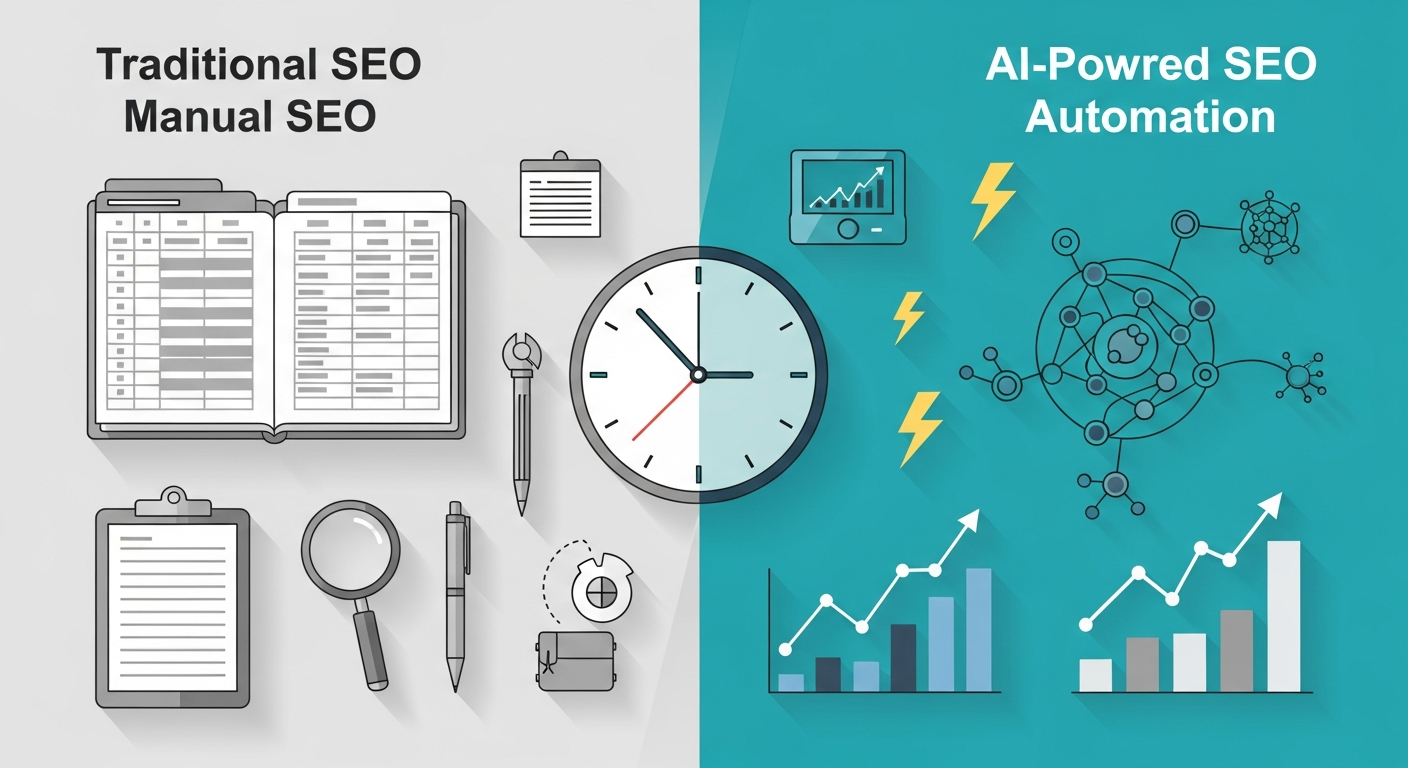
While programmatic SEO has all the parts of traditional SEO, it exceeds them and is more complicated (not in regards to execution, though). Programmatic SEO resembles an excellent neighbor who always has salt or sugar to lend. Here are the statements for standard and programmatic SEO. Standard SEO is carried out on one site with several pages, whereas programmatic SEO generates numerous SEO-optimized pages.
Traditional SEO is limited in keywords, whereas programmatic SEO is scalable and can have unlimited keyword variations. However, you can't have a programmatic SEO project without knowing and doing SEO. For a successful programmatic SEO job, you'll desire to incorporate three crucial components: long-tail keywords, relevant material, and SEO-optimized pages.
PrePostSEO article rewriterWhy Predictive Analytics Transforms Search Performance
Long-tail keywords: Those are specific, frequently longer expressions that users input into search engines when they want their search results page to be as exact as possible. When you target long-tail keywords, you're addressing the distinct requirements of your audience. This suggests that competition is usually lower, making it much easier to rank well.
Pertinent material: To capture the user's attention and provide valuable information, your content should matter and lined up with the user's question. SEO-optimized pages: SEO-optimized pages are the technical foundation of the programmatic SEO job. They consist of the structure, meta tags, headers, and other on-page aspects that online search engine utilize to examine your material.

Automation tools and software application: In programmatic SEO, automation tools simplify numerous SEO jobs, such as keyword research, material optimization, and link structure. Algorithms and data-driven insights: Programmatic SEO uses algorithms and data-driven insights to identify and implement SEO methods tailored to specific company goals and target audiences. Programmatic SEO is a tactical approach with clear steps and no uncertainty.